
The Allure of Gambling: Why People are Drawn to Casinos
The excitement of casinos can be attributed to a complex interplay of psychological factors. For many, the thrill of gambling is rooted in the promise of instant gratification. As players engage in various games, the anticipation of winning, combined with the stimulating environment of bright lights and sounds, creates an addictive experience. This rush triggers the brain’s reward system, which releases dopamine, a neurotransmitter associated with pleasure. Consequently, this neurological response reinforces the behavior, compelling individuals to return for more. For those interested in strategy, some might consider exploring online poker options as an alternative to traditional casinos.
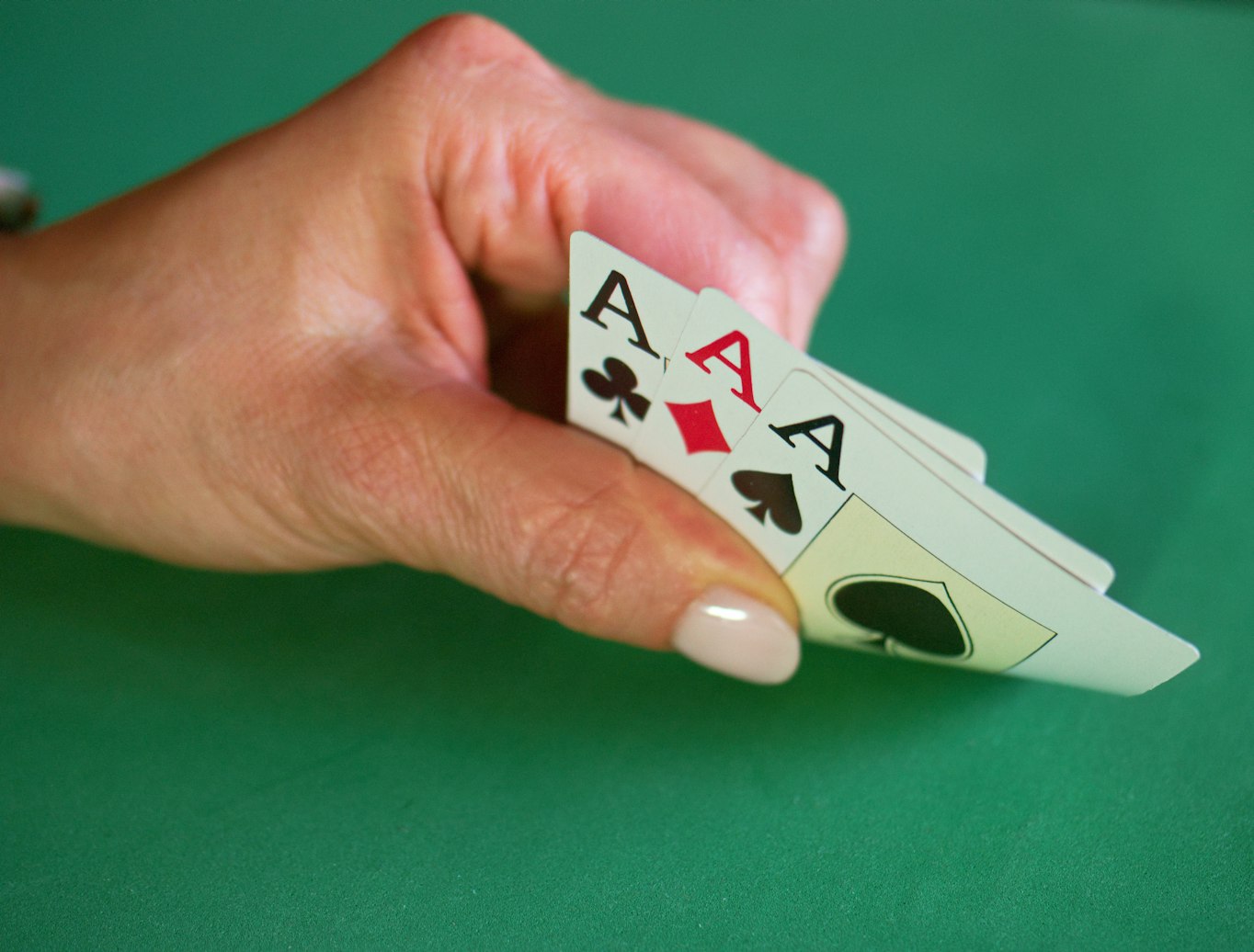
Moreover, the social aspect of casinos plays a significant role in attracting players. Gambling often transforms into a communal activity, where individuals share experiences, celebrate victories, and commiserate losses together. This sense of belonging can enhance enjoyment and lead to repeated visits. Whether it’s playing table games or participating in tournaments, the social interactions associated with gambling contribute to its appeal, making the casino environment a lively and engaging space.
The Role of Cognitive Biases in Casino Gaming
Cognitive biases significantly influence how gamblers perceive their chances of winning. One common bias is the illusion of control, where players believe they can influence the outcome of games based on their actions. This belief is particularly prevalent in games like blackjack or poker, where skill and strategy are involved. Gamblers often overestimate their abilities, leading them to take more risks than they normally would, further entrenching them in the gaming behavior. Understanding these biases is crucial for recognizing the psychological traps that contribute to problematic gambling behavior.
Another prevalent bias is the gambler’s fallacy, where individuals mistakenly believe that past results will affect future outcomes. For instance, after a series of losses, players may feel that they are “due” for a win, prompting them to continue playing. This flawed reasoning perpetuates their engagement with the games, causing them to chase losses in hopes of recapturing their earlier success.
The Impact of Environment on Gambling Behavior
The physical environment of a casino is meticulously designed to enhance the gaming experience and encourage prolonged play. Elements such as layout, lighting, and sound all contribute to creating an immersive atmosphere that keeps players engaged. Casinos often lack windows and clocks, which can create a sense of timelessness, making it easier for individuals to lose track of time while gambling.
Additionally, the use of rewards and loyalty programs can further influence gambling behavior. By offering incentives such as free meals, hotel rooms, or bonus credits, casinos create a perception of value, enticing players to stay longer and spend more. These marketing strategies exploit the psychological principles of reciprocity and commitment, making patrons feel obligated to return. The interplay between environment and psychological incentives underscores the casino’s ability to shape gaming behavior effectively.
The Psychology of Winning and Losing in Gambling
Winning and losing in gambling evoke powerful emotional responses that can significantly affect a player’s future behavior. The euphoria of winning, even if it’s a small amount, can create a sense of invincibility and encourage further play. This phenomenon often leads to riskier bets, as players become emboldened by their previous successes. The desire to replicate the winning experience can override rational decision-making, pushing gamblers to continue playing despite the potential for losses.
Conversely, losing streaks can invoke feelings of frustration, anger, and disappointment. Many gamblers experience “loss chasing,” wherein they attempt to recover lost funds by increasing their bets or prolonging their gambling sessions. This cycle can lead to detrimental financial and emotional consequences, underscoring the delicate balance between the thrill of winning and the heavy toll of losing. Addressing these emotional aspects of gambling is essential for understanding player behavior and promoting responsible gaming practices.

Responsible Gambling and Support Resources
While the allure of casinos can be captivating, it is crucial for players to engage in responsible gambling practices. Understanding the psychological factors that drive gambling behavior can help individuals recognize when their gaming habits may be becoming problematic. Many organizations provide resources and guidance to help players make informed decisions about their gambling activities.
Websites dedicated to responsible gambling often offer tools such as self-assessment questionnaires, budget-setting guides, and contact information for support services. These resources are designed to empower players to take control of their gambling and seek help when necessary. By fostering a culture of awareness and support, the gaming industry can contribute to healthier relationships with gambling and protect individuals from the risks associated with excessive behavior.