
Exploring cultural perspectives on gambling A deep dive into traditions and beliefs with Dbbet
Understanding Gambling Across Cultures
Gambling has existed in various forms throughout history and across cultures, evolving as societies develop their unique traditions and beliefs. In many cultures, gambling is seen as a recreational activity, while in others, it might carry spiritual significance. For instance, in some Indigenous cultures, games of chance have been part of rituals and community bonding, often viewed as a way to connect with ancestors and the spiritual realm. This multifaceted nature of gambling reflects deep-rooted cultural values and beliefs, and for those looking for a reliable platform, db bet offers an exciting environment to engage in these activities.

In Western societies, particularly in the United States, gambling has transformed into a significant entertainment industry. Las Vegas symbolizes this phenomenon, attracting millions with its glitz and glamour. Here, gambling often intersects with cultural narratives around luck, risk-taking, and individualism. In contrast, some Asian cultures hold a more ambivalent stance towards gambling, often intertwining it with superstitions and beliefs about fate, where certain numbers or days are considered auspicious for betting.
Understanding these diverse cultural perspectives provides insight into why gambling resonates differently across communities. Factors such as religious beliefs, societal norms, and historical contexts shape how gambling is perceived and practiced. This exploration of gambling’s cultural dimensions offers a rich tapestry of human behavior, showcasing not just the act of betting but the underlying values that inform it.
The Psychology Behind Gambling
The psychology of gambling is as complex as the cultural perspectives that shape it. At its core, gambling appeals to fundamental human instincts like excitement, competition, and the allure of chance. Many gamblers experience a rush of adrenaline, often described as a ‘gambling high,’ that stimulates the brain’s reward system. This sensation can create a cycle of behavior that draws individuals back to gambling despite potential negative consequences, making it a topic of interest in psychological studies.
Moreover, cognitive biases play a significant role in how people engage with gambling. The illusion of control, for example, leads individuals to believe they can influence outcomes in games of chance. This belief can encourage continued play, reinforcing the connection between gambling and self-efficacy. Social influences also impact gambling behavior; for instance, individuals might be more likely to gamble if they see friends or family engaging in the activity, showcasing the importance of social context in shaping gambling habits.
Understanding the psychological factors behind gambling can aid in developing responsible gambling initiatives and support systems. By recognizing the inherent risks and addictive potential associated with gambling behaviors, stakeholders can better address issues related to problem gambling and promote healthier engagement with games of chance.
Traditions and Beliefs Surrounding Gambling
Various traditions and beliefs surround gambling across cultures, with rituals often designed to ensure good fortune or protect against bad luck. For example, in Chinese culture, the Lunar New Year is a period where gambling is common, often involving games like Mahjong or dice games. This practice is rooted in the belief that starting the year with games of chance may lead to prosperity and good luck for the upcoming year.
Similarly, in some African cultures, gambling is intertwined with social gatherings and celebrations, where traditional games foster community spirit. These events often incorporate storytelling and folklore, linking the act of gambling to cultural identity and communal ties. Such practices highlight how gambling can serve a broader social purpose beyond mere entertainment, functioning as a means to strengthen community bonds.
The beliefs surrounding luck and fate also manifest in specific rituals before gambling activities. For instance, many gamblers might carry talismans or perform particular actions believed to attract luck. These customs emphasize the connection between gambling and spiritual beliefs, reinforcing the idea that outcomes may be influenced by more than just chance. These traditions showcase the rich tapestry of human culture, where the interplay between belief and behavior is deeply interwoven.
Modern Gambling Trends and Their Cultural Implications
As technology advances, so do gambling trends, significantly impacting cultural perceptions. Online gambling platforms have democratized access to games, allowing individuals from various backgrounds to participate in gambling activities. This shift has led to the emergence of new social dynamics, where players can engage in virtual communities that transcend geographical boundaries, sharing experiences and strategies regardless of cultural differences.
The rise of mobile gambling also reflects changing lifestyles and attitudes towards leisure. As more people engage in gambling on their smartphones, the activity becomes a normalized form of entertainment. This trend may alter cultural perceptions, making gambling more acceptable in societies where it was once stigmatized. However, it also raises concerns regarding addiction and responsible gambling, highlighting the need for cultural adaptations to address these challenges.
Moreover, the growth of esports betting and fantasy sports reflects the blending of traditional gambling with modern entertainment forms. These new avenues attract younger audiences who may approach gambling differently than previous generations. Understanding these trends is crucial for stakeholders to engage responsibly with the evolving landscape of gambling and its cultural implications, ensuring that the traditions and beliefs surrounding this activity are respected and preserved.
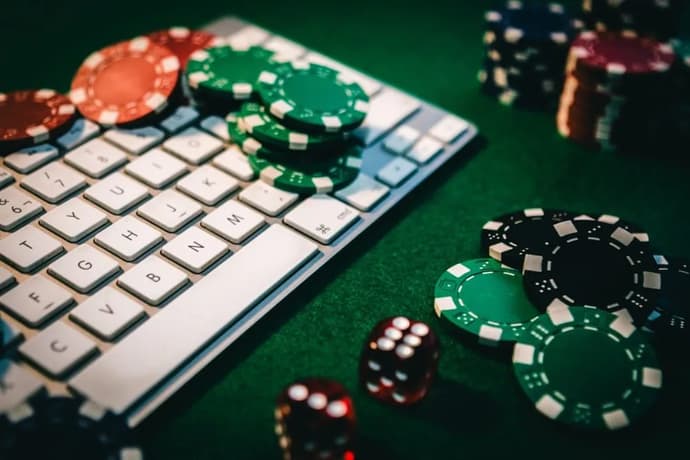
Experience Gambling Culture with Dbbet
Dbbet stands out as a premier online gaming platform that caters specifically to the Filipino audience, merging cultural values with modern gambling experiences. Since its inception in 2019, Dbbet has focused on providing an engaging and secure environment for players to explore various gambling options, including sports betting and casino games. By understanding the cultural context of gambling in the Philippines, Dbbet has tailored its offerings to resonate with local traditions and preferences.
With a wide range of over 8,000 games from leading providers, Dbbet ensures that players have access to a rich array of choices, from traditional favorites to innovative new games. The platform’s commitment to user experience is evident in its seamless payment options, including local solutions like GCash and PayMaya, which cater to the needs of Filipino players. Furthermore, Dbbet’s mobile-friendly app allows users to enjoy gaming on the go, making it a convenient choice for modern lifestyles.
By integrating cultural understanding with technological advancements, Dbbet aims to create a responsible and enjoyable gambling environment. The platform not only prioritizes customer support but also encourages healthy gambling habits, recognizing the importance of cultural perspectives in shaping user experiences. As the world of gambling continues to evolve, Dbbet remains dedicated to fostering a secure and culturally resonant space for all players.